The Power of Resistance
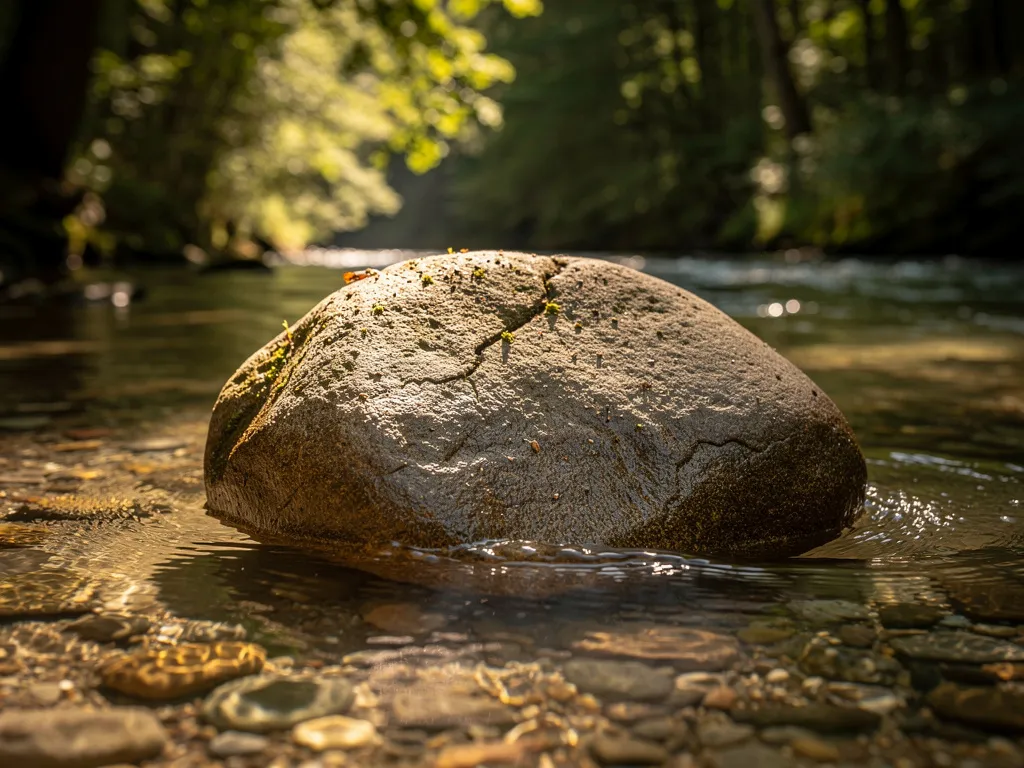
There’s a theory in psychology called Reinforcement Theory that speaks volumes about the role of resistance in growth. It’s a simple but profound idea: our world is built on the pursuit of the easiest path. We optimize, we streamline, we look for shortcuts—because, like water, we naturally flow where there’s the least resistance. The solutions that stick are the ones that require the least effort, the ones that fit seamlessly into our lives.
But here’s the catch: the things that truly matter—learning a new language, mastering an instrument, building a skill—rarely come easy. They demand that we go against the grain, that we push through discomfort. Learning a new language, for example, isn’t something our brains do naturally. It means forging new neural connections, wrestling with unfamiliar grammar, and memorizing words that don’t yet feel like our own. It’s hard. And that’s exactly why so few of us stick with it.
Yet, we know from behavioral science how powerful reinforcement can be. Think of how animals learn through rewards: a treat for a trick, praise for obedience. Over time, what starts as a hesitant action becomes second nature. The question is, how do we create that same transformation in our own lives? How do we turn something that feels like a struggle—whether it’s practicing piano scales or conjugating verbs—into something as effortless as breathing?
The answer lies in finding that sweet spot—the moment when the resistance starts to fade, when the effort begins to feel less like a chore and more like a calling. It’s the point where we stop counting the hours and start losing ourselves in the process. But getting there isn’t just about willpower. It’s about designing our environment and our habits to work for us, not against us.
We talk a lot about motivation, but not enough about the mechanics of making hard things feel inevitable. How do we choose what’s good over what’s easy? How do we make healthy habits as automatic as reaching for our phone? I suspect the key is in leveraging both internal and external reinforcements—building routines that reward progress, surrounding ourselves with cues that nudge us forward, and celebrating small wins until they add up to something extraordinary.
Because here’s the truth: mastery isn’t about avoiding resistance. It’s about learning to dance with it, to let it shape us into someone who doesn’t just do the hard things, but craves them. That’s when the magic happens—when the struggle becomes the path, and the path becomes who we are.